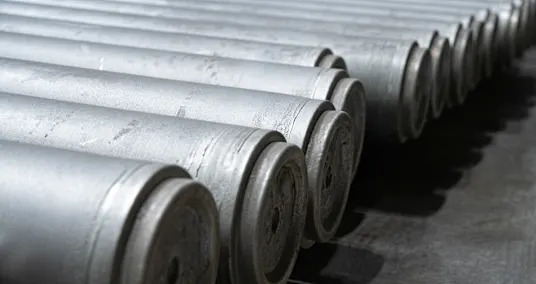
Fears of global aluminium shortages that could affect the production of clean energy technologies intensified after Iran struck two major Gulf aluminium producers, sending prices to a four-year high. The Middle East accounts for 9% of the world’s production of aluminum, which is essential to a wide range of industries from transportation, construction, and packaging, as well as the manufacture of solar panels, electrical transmission systems, wind turbines, and EVs.
Export shipments to the US and Europe had already come to a halt because of the effective closure of the Strait of Hormuz, and Morgan Stanley economists singled out aluminium as carrying a high level of risk across the value chain. Andy Farida, an aluminium analyst at Fastmarkets, told Semafor that high prices would be passed on to end-users, ultimately causing demand destruction. “A prolonged shutdown (with little to no alternative supplies other than Russia and China) could cripple the supply of aluminium to support the production of clean and green technology,” he said, adding that relief could come “if governments allow some sanctioned Russian and Chinese aluminium to be imported.”


 'The Golden Bachelor' Season 2 finale: How to watch tonight, start time, where to stream and more
- Plans for ‘stop anywhere’ night buses recommended by government for women’s safety
- Cyber Monday 2025 streaming deal: Get $42 off six months of Apple TV
- Figure out How to Keep up with and Clean Your Brilliant Bed for Ideal Execution
- Astronaut on ISS captures spectacular orbital video of zodiacal light, auroras and the Pleiades
- Taste the World: Five Food sources That Have Dazzled Worldwide Palates
- 'Dancing with the Stars' semifinals: How to watch Episode 10 tonight, where to stream, who's left and more
- Wolf Bites Woman in Shocking Attack at Busy Shopping Center
- Track down Your Optimal Conservative Vehicle: Famous Brands to Consider