Irish author Sally Rooney has told the High Court it is "almost certain" she cannot publish new novels in the UK and may have to withdraw her current books because of the banning of Palestine Action under terrorism laws.
Rooney says UK legislation may mean she cannot be paid royalties by her British publisher or the BBC because it could leave both at risk of being accused of funding terrorism.
In August she said she intended to use royalties "to go on supporting Palestine Action."
The group was banned in July after the home secretary accused it of causing serious damage to property. Its co-founder is challenging that ban in the High Court, arguing it interferes with the right to protest.
The author of Normal People, which was adapted into one of the most watched BBC dramas of recent years, has supported the campaign to reverse the ban.
In two witness statements provided to the High Court, Rooney said she believed that Israel had committed genocide in Gaza - and Palestine Action's activity in the UK was from a "long and proud tradition of civil disobedience - the deliberate breaking of laws as an act of protest."
She goes on: "I myself have publicly advocated the use of direct action, including property sabotage, in the cause of climate justice. It stands to reason that I should support the same range of tactics in the effort to prevent genocide."
Israel has regularly denied that its actions in Gaza amount to genocide and says they are justified as a means of self-defence.
Rooney said the ban on Palestine Action under terrorism laws also had far reaching consequences for her as an author and her right to free expression.
She explained she periodically receives royalties from the BBC's adaptions.
In August she declared in an Irish Times article that she intended to use those royalties "to go on supporting Palestine Action."
Following that statement, she said she had been advised that any such payment to her for those televised dramatisations could be a breach of terrorism laws.
That warning had come from the independent producer of the two BBC dramatisations of her novels. It told her agent that it had received "unambiguous legal advice" that if it knew or suspected that Rooney was using royalties from the TV dramas to fund Palestine Action, then sending her the money would be a terrorism offence.
"It is therefore unclear whether any UK company can continue to make payments to me, even when it had agreed to do so," said Rooney.

Rooney told the court that this legal uncertainty affected her rights as an artist - and her publisher's too.
"If ... Faber & Faber Limited are legally prohibited from paying me the royalties I am owed, my existing works may have to be withdrawn from sale," she said.
"My novels have been influential and popular in Britain, where I am among the best-selling literary authors of the last decade.
"The disappearance of my work from bookshops would mark a truly extreme incursion by the state into the realm of artistic expression.
"It is also almost certain that I can no longer publish or produce any new work within the UK while this proscription remains in effect."
Rooney publicly revealed in September that she did not believe she could travel to the UK anymore because of her stance.
"I am and will continue to be a committed supporter of Palestine Action. If that support is criminalised, I will effectively be prevented from speaking at any future public events in the UK.
"Is it likely that I could ever again collaborate with British public institutions like the BBC as I have done in the past?"
The hearing continues through Thursday with a final day of submissions next week.
LATEST POSTS
- 1
 How to disinfect if the stomach bug hits your home
 - 2Germany's Deutsche Welle broadcaster declared 'undesirable' in Russia
- 3Independence from the rat race for Recent college grads: Systems and Tips
- 4Favored Organic product for Seniors' Prosperity: Make Your Determination
- 58 Fundamental Stages: Novice's Manual for Secure Your Android with a VPN



- German-Polish man charged with calling for attacks on top politicians
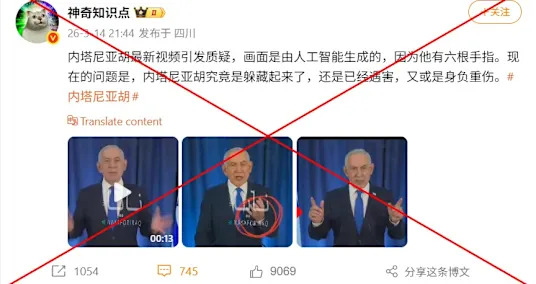
- Posts falsely claim Netanyahu video fabricated to cover up his death
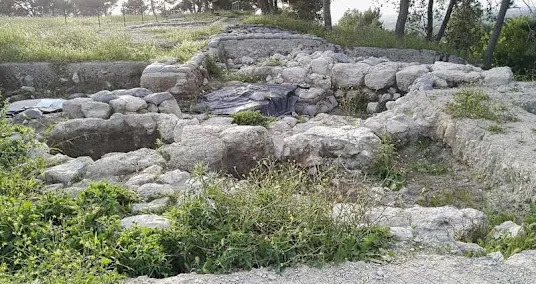
- Ancient mass grave discovered in water cistern during Tel Azekah excavations
- 6 Shades Brands For Seniors
- How to watch 'Tell Me Lies' Season 3: Episode release times, streaming info and more
- New ‘Cloud-9’ object could reveal the secrets of dark matter
- South Korea to End Bear Bile Farming and Find New Homes for the 200 Bears Stuck in the Industry
- Shrewd Home Gadgets to Save Energy
- RFK Jr. wants to scrutinize the vaccine schedule – but its safety record is already decades long